Solid Surface Vs. Quartz vs. Granite: The UltimateCountertop Material Comparison for CommercialProjects
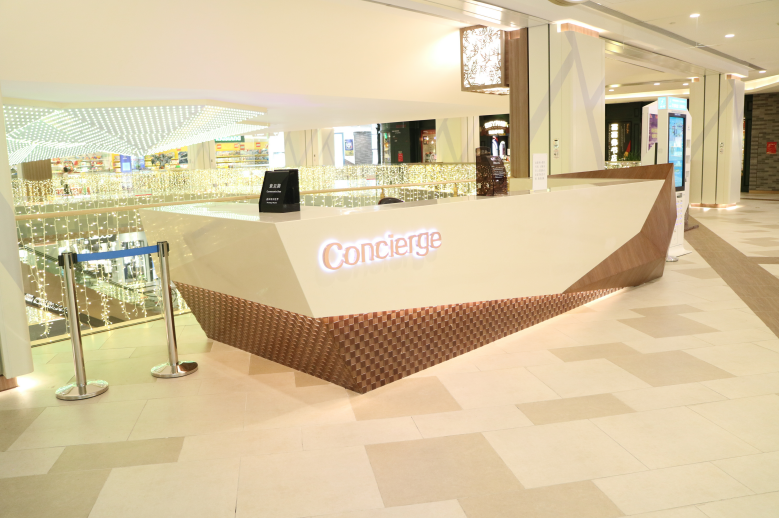
Choosing the right countertop material is one of the most critical decisions for any commercial fit-out project. The surface you select directly impacts hygiene, durability, aesthetic consistency, maintenance costs, and long-term project value ― whether you’re designing hospital nurse stations, hotel lobby reception desks, restaurant bar tops, or retail checkout counters.
For architects, contractors, and commercial procurement teams, the ideal countertop must balance superior performance, design flexibility, and cost efficiency across heavy-use public environments.
In this complete commercial guide, we break down the key differences between the three most popular countertop materials: acrylic solid surface, engineered quartz, and natural granite ― to help you specify the perfect option for your next commercial project.
Quick Commercial Countertop Comparison Overview
Use this side-by-side table to quickly evaluate core commercial-grade features for each material:

Acrylic Solid Surface: Purpose-Built for Commercial Performance
Acrylic solid surface has emerged as the leading material for modern commercial projects, thanks to its unique blend of hygienic performance, design versatility, and long-term cost savings. Unlike natural and engineered stone alternatives, it is engineered specifically for heavy-duty public environments.
Key Commercial Advantages
-
Seamless Monolithic Design: Acrylic solid surface can be thermoformed and joined with invisible seams, creating a smooth, continuous surface ideal for long reception desks, curved nurse stations, custom bar tops, and extended retail counters. It delivers a premium, high-end finish without disruptive joint lines.
-
Medical-Grade Hygiene: Completely non-porous, this material resists bacteria, mold, mildew, and stains with zero ongoing sealing. This makes it the top choice for healthcare facilities, school cafeterias, and food-service commercial spaces where sanitation is non-negotiable.
-
Fully Repairable Surface: Minor damage including scratches, light burns, and surface scuffs can be repaired on-site via simple sanding and buffing. Instead of replacing entire slabs, teams can restore surfaces to like-new condition, drastically reducing long-term maintenance and replacement costs.
-
Unmatched Design Flexibility: The material supports thermoforming, allowing custom curves, integrated sinks, rounded edges, and fully bespoke shapes that quartz and granite cannot replicate. It accommodates custom architectural designs for unique commercial branding and space planning.
-
Lightweight & Cost-Effective Installation: Lighter than quartz and granite, acrylic solid surface reduces structural building load requirements and cuts down shipping, handling, and labor costs — a major benefit for large-scale commercial renovations and new build fit-outs.
For multi-site commercial projects requiring consistent quality, strict hygiene standards, and customizable aesthetics, acrylic solid surface is the most reliable all-around solution.
Quartz: High Durability, Limited Design Flexibility
Engineered quartz is manufactured from crushed natural quartz crystals bonded with high-performance resin. It boasts excellent hardness, scratch resistance, and stain resistance, making it a popular pick for standard commercial kitchen and retail counter applications.
However, quartz presents clear limitations for custom commercial design:
-
Cannot be thermoformed, restricting all designs to flat slabs and straight, uniform edges
-
Visible seam joints accumulate dirt and grime over time, compromising long-term hygiene
-
Permanent surface damage cannot be repaired locally, requiring full slab replacement
-
Heavy material weight increases structural requirements and overall project installation expenses
Quartz works best for straightforward, high-traffic flat surfaces where custom shaping and seamless aesthetics are not project priorities.
Granite: Premium Natural Look With High Ongoing Maintenance
Natural granite delivers unparalleled organic veining and a luxury high-end aesthetic, keeping it a favored choice for upscale hotel lobbies, premium office receptions, and luxury retail spaces. As a natural stone, it offers one-of-a-kind visual appeal that engineered materials cannot fully replicate.
Yet granite’s natural characteristics create significant commercial drawbacks:
-
Inherently porous, requiring professional periodic sealing to prevent staining, bacteria buildup, and water damage
-
Unique slab-to-slab variation makes uniform color and pattern matching nearly impossible for large-area installations
-
Extremely heavy, driving up transportation, structural reinforcement, and installation costs for commercial projects
-
Chips, cracks, and impact damage are difficult and expensive to repair, often resulting in full slab replacement
Granite is a premium aesthetic choice but demands consistent maintenance and higher long-term operational costs for commercial properties.
How to Choose the Right Countertop Material for Your Commercial Project
Choose Acrylic Solid Surface If:
Your project prioritizes medical-grade hygiene, seamless modern aesthetics, custom curved or bespoke shapes, and long-term cost savings via repairability. It is the ideal solution for healthcare facilities, educational buildings, hospitality fit-outs, and high-volume retail environments.
Choose Quartz If:
You need maximum scratch and stain resistance for standard flat, high-traffic surfaces, and do not require custom curved designs or invisible seamless joints. Perfect for commercial kitchens and basic retail countertops.
Choose Granite If:
You have a flexible project budget, prioritize luxury natural stone aesthetics for lobby or reception focal points, and can accommodate routine sealing and ongoing professional maintenance for the lifespan of the surface.
Get a Custom Material Recommendation for Your Project
Every commercial project features unique performance requirements, budget constraints, design goals, and compliance standards. Generic material selections often lead to unnecessary maintenance costs, design compromises, or premature surface failure.
Our team partners with architects, general contractors, and fabricators worldwide to deliver tailored acrylic solid surface solutions aligned with your exact project scope, size, and functional needs.
Contact our team today to request free material samples, official technical data sheets (TDS), compliance certifications, and a customized project quote for your upcoming commercial countertop installation.
Is Acrylic Solid Surface Better Than Quartz for Shower Walls & Vanities?
Low Silica Quartz, Acrylic Solid Surface & Sintered Stone: Best Material Selection Post Ban